
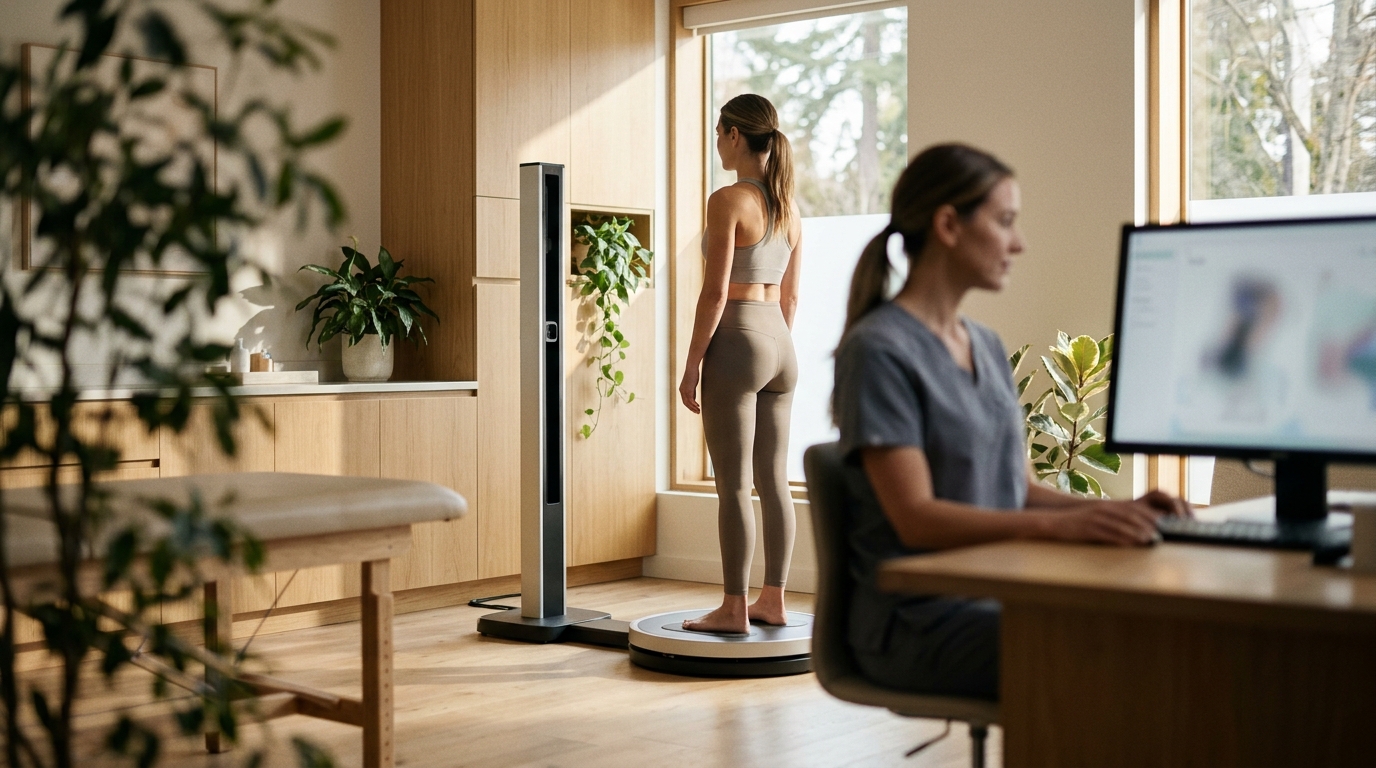
Tracking muscle versus fat loss on GLP-1 medications requires measuring body composition, not just total weight. A scale only shows total mass, which can hide the loss of lean tissue. To protect muscle, you need tools that distinguish fat from lean mass. Bright Medical Wellness uses 3D body scanning to provide this precise data, ensuring your weight loss comes from fat, not muscle.
Why Total Weight Is an Incomplete Metric
Most patients rely on a bathroom scale to track progress. This approach is flawed because it treats all mass as equal. Body composition is the ratio of fat mass to lean mass in the body. When you lose weight rapidly, the body may break down muscle for energy, especially if protein intake is low. A scale cannot tell you if you lost 10 pounds of fat or 10 pounds of muscle. This distinction is critical for long-term health and metabolic rate.
Research indicates that a significant portion of weight loss from GLP-1 agonists can be lean mass. Without specific monitoring, you might feel weaker or see your metabolism slow down. The implication is that you need a metric that separates these two tissue types. Total weight is a starting point, but it is not the finish line for health optimization.
The Role of 3D Body Scanning in Precision Care
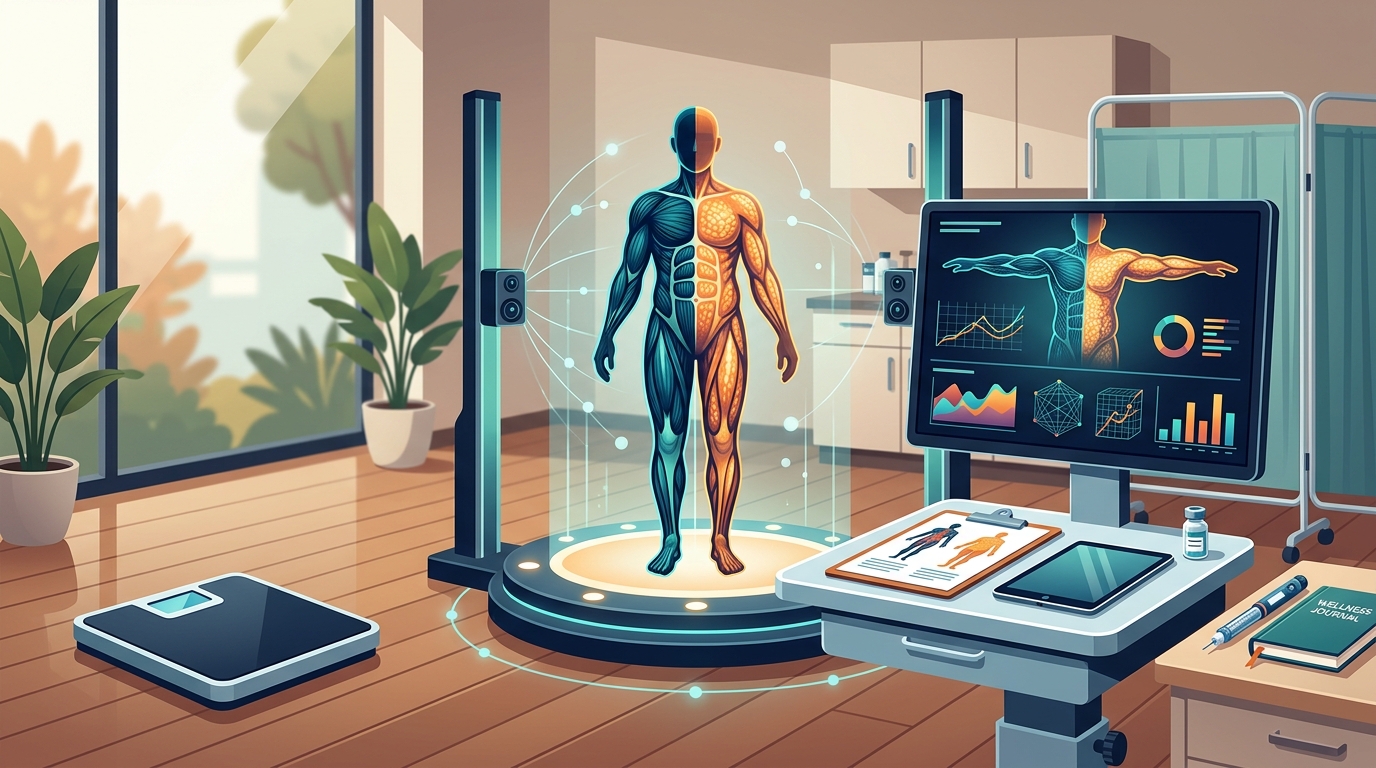
Bright Medical Wellness utilizes the ShapeScale 3D Body Scanner to track these changes. This tool allows clinicians to see exactly where fat is being lost and how lean mass is preserved. For example, a patient might lose 5% of their total weight, but the scan reveals that 80% of that loss was fat. This data empowers the care team to adjust your plan proactively. It shifts the focus from just losing numbers to improving body composition.
Protein Intake and Resistance Training as Protective Factors
Medication alone does not guarantee muscle preservation. You must actively support your body’s needs during weight loss. Protein intake is the primary nutritional factor that helps maintain lean mass. When on a GLP-1, appetite is reduced, which can lead to insufficient protein consumption. You need to prioritize high-quality protein sources to provide the building blocks for muscle repair.
Resistance training is the second critical component. It signals to your body that muscle tissue is needed for function. Without this stimulus, the body may catabolize muscle for fuel. A typical protocol involves lifting weights or performing bodyweight exercises two to three times per week. The combination of adequate protein and consistent strength training is the most effective strategy to protect lean mass while on medication.
Interpreting Your Data: What the Numbers Mean
Understanding your scan results is key to making informed decisions. Look for trends over time rather than single data points. A healthy trajectory shows a steady decrease in fat mass with a stable or slight decrease in lean mass. If lean mass drops sharply, it is a signal to adjust your approach. This might mean increasing protein intake or modifying your exercise routine.
At Bright Medical Wellness, clinicians review these scans with you during regular check-ins. They help you interpret the data in the context of your overall health goals. For instance, if your fat loss has plateaued but muscle mass is stable, the clinician might adjust your medication dose. This personalized feedback loop ensures that your treatment plan evolves with your body. It turns raw data into actionable health strategies.
Building a Sustainable Monitoring Routine
Consistency is the foundation of effective body composition tracking. You should aim to measure your progress at regular intervals, such as every four to six weeks. This frequency provides enough data to identify trends without being overwhelming. Keep a log of your measurements, including any changes in diet or exercise. This context helps you and your clinician understand what is driving the changes.
Integrating this monitoring into your routine makes it sustainable. It becomes a part of your health journey rather than a chore. By tracking muscle versus fat loss, you ensure that your weight loss is healthy and sustainable. This approach supports long-term metabolic health and physical function. It is the difference between losing weight and losing fat.
Key Takeaways
- Total weight on a scale does not distinguish between fat and muscle loss.
- 3D body scanning provides accurate, non-invasive measurements of body composition.
- High protein intake is essential to preserve lean mass during GLP-1 therapy.
- Resistance training signals the body to maintain muscle tissue.
- Regular monitoring allows clinicians to adjust treatment plans based on data.
- Tracking trends over time is more useful than single data points.
- Bright Medical Wellness uses 3D scanning to guide personalized weight loss care.
Frequently Asked Questions
How often should I get a body composition scan?
It is generally recommended to scan every four to six weeks. This interval allows enough time for measurable changes to occur while providing frequent feedback. Your clinician may adjust this frequency based on your specific progress and goals.
Can I track muscle loss at home?
You can use bioelectrical impedance scales at home, but they are less accurate than clinical-grade 3D scanners. Home scales can be affected by hydration and time of day. For precise tracking, clinical scanning is preferred, especially when adjusting medication.
Does GLP-1 medication cause muscle loss?
GLP-1 medications can lead to some loss of lean mass, particularly if protein intake is low. However, this is not inevitable. With proper nutrition and resistance training, you can minimize muscle loss while losing fat.
What is the best protein target for muscle preservation?
Most clinicians recommend a protein intake of 1.2 to 1.6 grams per kilogram of body weight. This range helps maintain muscle mass during caloric restriction. Your specific target may vary based on your activity level and health status.
How does Bright Medical Wellness track my progress?
Bright Medical Wellness uses the ShapeScale 3D Body Scanner to measure fat and lean mass. Clinicians review these scans with you during appointments to ensure your weight loss is healthy and sustainable.
Can I still lose weight if I protect my muscle?
Yes, protecting muscle does not stop fat loss. In fact, maintaining muscle mass helps keep your metabolic rate higher. This makes it easier to sustain weight loss in the long term.
Start Your Precision Weight Loss Journey
Accurate tracking is the key to safe and effective weight loss. By monitoring body composition, you ensure that your health improves alongside your weight. Bright Medical Wellness provides the tools and expertise to guide you through this process. Our clinicians use 3D scanning and personalized care to help you achieve your goals. To begin your journey, book a free consultation with our team today. Learn more: Contact Bright Medical Wellness.