

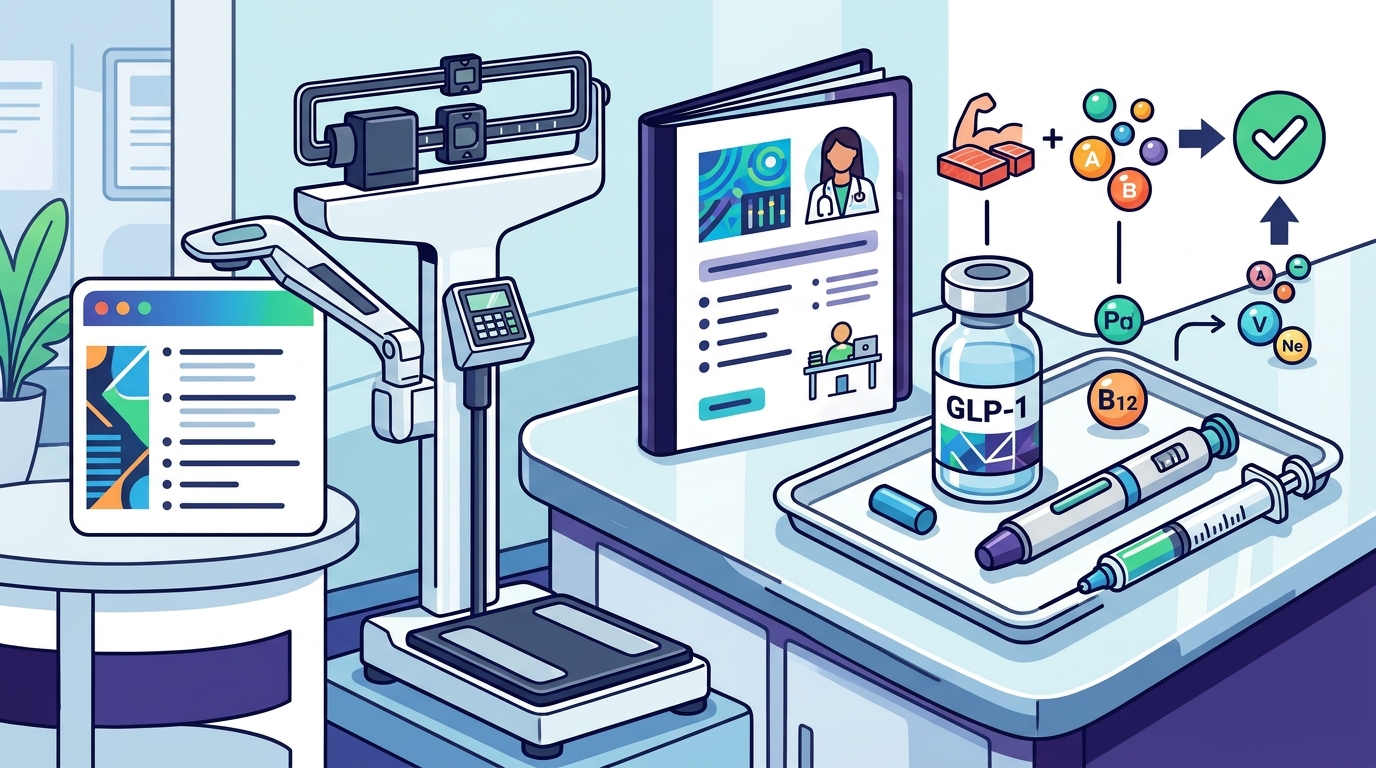
Working with a registered dietitian is critical when starting GLP-1 medication because these drugs significantly reduce appetite and alter nutrient absorption. Without professional nutritional guidance, patients often fail to meet protein and micronutrient targets, leading to muscle loss and fatigue. Bright Medical Wellness integrates clinical nutrition support to ensure that weight loss translates into sustainable health improvements rather than just a lower number on the scale.
The Physiological Shift in Nutrient Needs
GLP-1 receptor agonists are medications that slow gastric emptying and suppress appetite signals in the brain. This physiological change means patients naturally consume fewer calories, but they also risk consuming fewer essential nutrients. The body requires adequate protein to preserve lean muscle mass, especially during periods of rapid weight loss. When food intake drops, the margin for nutritional error shrinks dramatically.
Research indicates that patients on these therapies often struggle to meet daily protein requirements without specific dietary planning. A registered dietitian helps identify high-quality protein sources that are palatable despite reduced hunger. This professional guidance prevents the common pitfall of losing weight while simultaneously losing muscle mass, which can lower metabolic rate and hinder long-term maintenance. according to Migraine and olfactory
Preventing Micronutrient Deficiencies
Reduced food volume can lead to deficiencies in vitamins and minerals that are not immediately obvious. Fat-soluble vitamins, such as A, D, E, and K, require dietary fat for absorption, which may be limited in a low-calorie diet. Water-soluble vitamins, like B12 and folate, are also at risk if food variety decreases. Bright Medical Wellness uses comprehensive health panels to monitor these biomarkers, ensuring that nutritional gaps are identified early.
Managing Gastrointestinal Side Effects
Nausea and constipation are common side effects of GLP-1 medications, and dietary choices directly influence their severity. Eating large meals or consuming high-fat foods can exacerbate nausea, while insufficient fiber and fluid intake can worsen constipation. A registered dietitian provides specific strategies to manage these symptoms, such as recommending smaller, more frequent meals and increasing water intake.
Patients often report that dietary adjustments made under professional guidance significantly improve their tolerance of the medication. For instance, switching from solid foods to liquid nutrition during periods of intense nausea can help maintain caloric intake. This practical support is essential for patients who wish to continue treatment without interruption. The goal is to find a balance between medication efficacy and daily comfort.
Building Sustainable Eating Habits
GLP-1 medications are most effective when combined with lifestyle changes, but many patients struggle to develop new eating habits while their appetite is suppressed. A registered dietitian helps patients build a relationship with food that is based on nourishment rather than restriction. This psychological shift is crucial for long-term success after the medication is discontinued or tapered.
At Bright Medical Wellness, we emphasize that medication is a tool, not a permanent solution. Dietitians work with patients to identify sustainable meal patterns that can be maintained throughout life. This includes planning for social situations, travel, and other scenarios where dietary control may be challenging. By focusing on habit formation, we help patients achieve lasting results that extend beyond the duration of the prescription.
Key Takeaways
- GLP-1 medications reduce appetite, increasing the risk of protein and micronutrient deficiencies without proper dietary planning.
- Registered dietitians help patients meet protein targets to preserve muscle mass during weight loss.
- Professional guidance is essential for managing gastrointestinal side effects like nausea and constipation.
- Nutritional support ensures that weight loss leads to improved health metrics, not just reduced body weight.
- Bright Medical Wellness integrates clinical nutrition with GLP-1 care to support sustainable, long-term results.
- Building healthy eating habits during treatment prepares patients for success after medication discontinuation.
Frequently Asked Questions
Do I need a dietitian if I am taking GLP-1 medication?
While not legally required, working with a registered dietitian is highly recommended. It helps ensure you meet nutritional needs and manage side effects effectively, leading to better health outcomes.
How does a dietitian help with protein intake?
A dietitian creates a meal plan that prioritizes high-quality protein sources, ensuring you consume enough to preserve muscle mass despite reduced appetite.
Can dietary changes reduce GLP-1 side effects?
Yes, adjusting meal size, timing, and composition can significantly reduce nausea and constipation, common side effects of these medications.
What happens if I don't eat enough nutrients?
Insufficient nutrient intake can lead to fatigue, hair loss, and muscle wasting. It may also affect your metabolic rate, making it harder to maintain weight loss.
Does Bright Medical Wellness provide nutrition support?
Yes, our clinic offers comprehensive health panels and clinical guidance to support your nutritional needs while on GLP-1 therapy.
Start Your Journey with Professional Support
Starting GLP-1 medication is a significant step toward better health, but it requires a comprehensive approach. By working with a registered dietitian, you ensure that your body receives the nutrients it needs to thrive. Bright Medical Wellness is committed to providing this level of care, combining medical expertise with nutritional support. To begin your personalized plan, today.