

GLP-1 receptor agonists are prescription medications that mimic a natural hormone to regulate appetite and blood sugar. They work by signaling your brain to feel full faster and slowing how quickly your stomach empties. At Bright Medical Wellness, we use these treatments to help patients achieve sustainable weight loss under medical supervision. Understanding the mechanism and eligibility criteria is the first step toward a safe and effective treatment plan.
The Biological Mechanism of GLP-1 Agonists
Glucagon-like peptide-1 (GLP-1) is a hormone produced in the gut after you eat. It plays a critical role in how your body processes food and manages energy. When you take a GLP-1 receptor agonist, the medication binds to specific receptors in your brain and pancreas. This interaction triggers a cascade of physiological responses that directly impact weight management.
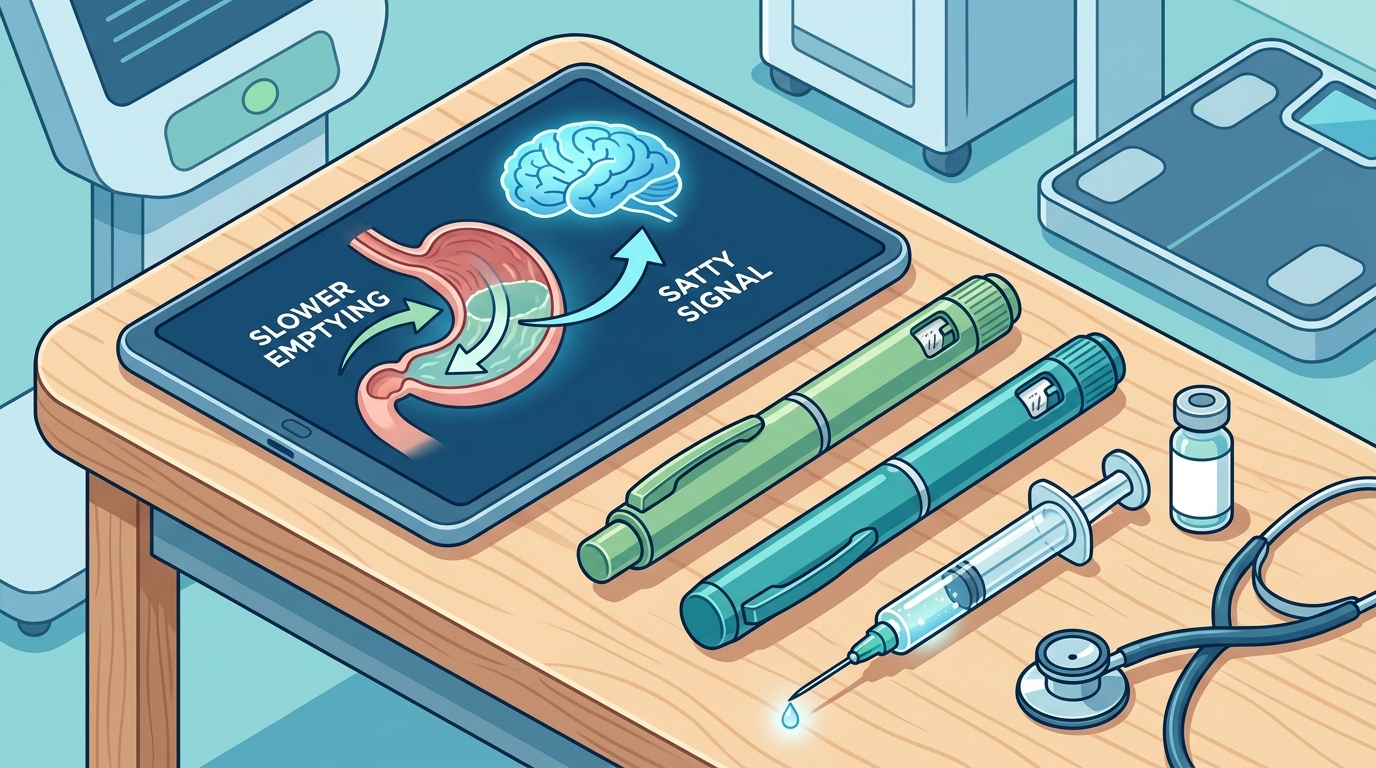
The primary effect is appetite suppression. The medication signals the hypothalamus, the part of the brain that controls hunger, to reduce the desire to eat. This helps patients feel satisfied with smaller portions. Additionally, these drugs slow gastric emptying. Your stomach takes longer to empty its contents into the small intestine, which keeps you feeling full for a longer period after meals.
Beyond appetite, GLP-1 agonists improve insulin sensitivity. They stimulate the pancreas to release insulin when blood sugar levels are high and suppress the release of glucagon, a hormone that raises blood sugar. This dual action helps stabilize energy levels and reduces the intense cravings often associated with blood sugar spikes. By addressing both hunger and metabolic regulation, these medications create a physiological environment that supports weight loss.
Who Qualifies for GLP-1 Weight Loss Treatment
Not everyone is a candidate for GLP-1 therapy. Eligibility is determined by a licensed clinician based on specific medical criteria and individual health history. The most common metric used is Body Mass Index (BMI). Generally, adults with a BMI of 30 or higher qualify for obesity treatment. Adults with a BMI of 27 or higher may also qualify if they have at least one weight-related health condition, such as type 2 diabetes, high blood pressure, or high cholesterol.
At Bright Medical Wellness, our clinicians conduct a thorough evaluation before prescribing any medication. This includes reviewing your medical history, current medications, and family history of certain conditions. We look for contraindications that might make GLP-1 therapy unsafe. For example, individuals with a personal or family history of medullary thyroid carcinoma should not use these drugs. A history of pancreatitis also requires careful consideration and may disqualify a patient.
Eligibility is not just about numbers on a scale. It is about overall health and readiness for a structured program. We assess whether you are prepared to commit to the lifestyle changes that accompany medication. This includes dietary adjustments and physical activity. The goal is to ensure the medication supports a holistic approach to health rather than serving as a standalone fix.
Common GLP-1 Medications and Their Differences
Several GLP-1 receptor agonists are available on the market, each with distinct dosing schedules and mechanisms. Semaglutide is a widely used option that is typically administered as a once-weekly injection. It is known for its long half-life, which allows for consistent drug levels in the body. Tirzepatide is another option that acts on two receptors, GLP-1 and GIP. This dual-action mechanism may offer additional benefits for some patients, such as greater appetite suppression.
The choice between these medications depends on individual response and clinician recommendation. Some patients respond better to one drug than another. At Bright Medical Wellness, we offer compounded versions of these medications, which are prepared by certified U.S. 503B pharmacies. It is important to note that compounded medications are not FDA-approved. A licensed clinician decides whether treatment is appropriate for you, and a prescription is never guaranteed.
Understanding the differences helps set realistic expectations. While the core mechanism is similar, the specific effects on weight loss and blood sugar control can vary. Your clinician will guide you through the selection process, considering your health goals, medical history, and preferences. This personalized approach ensures you receive the most suitable treatment for your unique needs.
Safety Profile and Potential Side Effects
GLP-1 medications are generally well-tolerated, but they can cause side effects, particularly when starting treatment. The most common side effects are gastrointestinal, including nausea, vomiting, diarrhea, and constipation. These symptoms often occur during the initial dose titration phase. They tend to decrease in frequency and severity as your body adjusts to the medication.
Managing these side effects is a key part of the treatment process. Clinicians often recommend starting with a lower dose and gradually increasing it. This allows your body to adapt more comfortably. Dietary adjustments, such as eating smaller meals and avoiding high-fat foods, can also help mitigate gastrointestinal issues. At Bright Medical Wellness, our care team provides weekly guidance to help you manage any side effects effectively.
It is crucial to monitor for any unusual symptoms. While rare, serious side effects can occur. These may include signs of pancreatitis, such as severe abdominal pain, or allergic reactions. If you experience persistent or severe symptoms, contact your healthcare provider immediately. Safety is a priority in our clinic, and we monitor your progress closely to ensure the treatment remains safe and effective for you.
The Role of Medical Supervision in Treatment
Medication alone is rarely sufficient for long-term weight management. Medical supervision provides the structure and support needed to achieve and maintain results. At Bright Medical Wellness, our programs include ongoing follow-up, monitoring, and care-plan adjustments. This ensures that your treatment evolves with your body and health goals.
We also focus on protecting muscle mass while you lose weight. Rapid weight loss can sometimes lead to muscle loss, which can slow your metabolism. Our clinicians incorporate strategies to preserve lean muscle, such as recommending resistance training and adequate protein intake. This holistic approach helps you achieve a healthier body composition, not just a lower number on the scale.
Support extends beyond the medication itself. We provide education on nutrition, lifestyle habits, and mental health. This comprehensive care model addresses the root causes of weight gain and helps build sustainable habits. By combining medical treatment with behavioral support, we empower patients to take control of their health and maintain their results long-term.
Key Takeaways
- GLP-1 receptor agonists mimic a natural hormone to suppress appetite and slow gastric emptying.
- Eligibility is typically based on a BMI of 30 or higher, or 27 or higher with weight-related conditions.
- Common medications include semaglutide and tirzepatide, each with distinct dosing and mechanisms.
- Gastrointestinal side effects are common but often manageable with dose titration and dietary adjustments.
- Medical supervision is essential for safety, monitoring, and long-term success.
- Compounded medications are not FDA-approved and require a clinician's evaluation.
- A holistic approach combining medication, nutrition, and exercise yields the best results.
Frequently Asked Questions
How quickly do GLP-1 medications work for weight loss?
Most patients begin to notice reduced appetite within the first few weeks. Significant weight loss typically becomes apparent after one to three months of consistent use. Individual results vary based on diet, activity level, and response to the medication.
Can I use GLP-1 medications if I do not have diabetes?
Yes, these medications are approved for weight management in adults with obesity or overweight with comorbidities. You do not need to have diabetes to qualify, but you must meet specific BMI criteria and pass a medical evaluation.
Are compounded GLP-1 medications safe?
Compounded medications are prepared by certified pharmacies and are generally safe when prescribed by a licensed clinician. However, they are not FDA-approved. It is important to work with a reputable provider who uses high-quality ingredients and follows strict safety protocols.
What happens if I stop taking the medication?
Weight regain is common after stopping GLP-1 therapy if lifestyle changes are not maintained. The medication helps suppress appetite, but without it, hunger signals may return. Long-term success requires sustainable dietary and exercise habits.
Do GLP-1 medications cause hair loss?
Hair loss is not a common side effect of GLP-1 medications. However, rapid weight loss can sometimes lead to temporary hair shedding. If you experience significant hair loss, consult your clinician to rule out other causes.
How often do I need to see a clinician during treatment?
At Bright Medical Wellness, we recommend regular check-ins to monitor progress and adjust dosing. The frequency depends on your individual needs, but most patients see their clinician monthly or as needed for dose changes.
Start Your Journey with Bright Medical Wellness
Understanding how GLP-1 medications work is the first step toward achieving your health goals. At Bright Medical Wellness, we provide personalized, clinician-guided care to ensure your treatment is safe and effective. Our team is dedicated to supporting you every step of the way, from initial evaluation to long-term maintenance. If you are ready to explore your options, book a free consultation with our weight loss experts today.